Emmanuel will spend two months and a half at the Centre for History
After Antwerp in 2023, the MoH Team lands in Paris. This time, Emmanuel will be spending two months and a half completing the drafting of his monograph The Myth of Homogeneity: Minority Questions in Interwar Western Europe at the Centre for History of Sciences Po Paris. The research stay will also allow him to access material at the Archive of Foreign Affairs in La Courneuve concerning the transition from the minority protection system of the League of Nations to the human rights regime of the United Nations, which will be at the core of the Epilogue of the book.
The Epilogue argues that the so-called transition to individual human rights in 1946-1948, in fact, marked the triumph of an assimilationist conception of human rights, one that did not really privilege the individual, but rather some specific groups (national majorities) and penalised other groups (national minorities). France was at the core of efforts within the UN to reject the inclusion of any clause concerning protection against assimilation in the Universal Declaration of Human Rights. France, along with the United States and many Latin American countries, defended the idea that states can legitimately go to great lengths to promote the homogenisation of its population. As the French delegate within the UN Commission on Human Rights said in 1948: ‘the historical development of France into a homogenous State has resulted from the extensive and rigorous application of universal human rights to all sections of the population’ (my emphasis). In this respect, the Epilogue will expand on an argument that Mona and Emmanuel have already explored in the following paper: https://themythofhomogeneity.org/2021/10/
This stay also offered Emmanuel the opportunity to attend the many activities organised by the Centre for History, as well as to discuss his research with some excellent scholars that work there, notably Sabine Dullin, Matthieu Fulla, Marc Lazar, Guillaume Piketty, Paul-André Rosental and Jakob Voegel.
From Ireland to Egypt, the genealogy of minority as a category of practice is more complex than we think
The history of minority rights has a consolidated narrative. According to this account, minority rights originated in the religious wars of the 16th and 17th century, then moved towards a definition based on nationality in the 19th century around the so-called Eastern Question, i.e. the slow dissolution of the Ottoman Empire in Europe. This process culminated in the minority treaties and declarations supervised by the League of Nations after the First World War. Yet recent works on the topic have emphasised how the term minority did not appear in any of the treaties that are supposed to punctuate this linear story until 1919. In other words, this traditional account has been written considering minority exclusively as a category of analysis, defined by researchers and projected into the past, rather than as a category of practice used by historical actors. These recent revisionist works have thus come to the conclusion that minority and majority were not driving concepts in discussions about diversity until the end of the First World War.
In the first chapter of the book that he is currently writing, which he presented at the University of Vienna on 25 April 2024, Emmanuel draws an alternative history of the perception of diversity in Europe, one that relies on the semantic approach recently proposed by revisionist authors but does not dismiss the 19th century entirely from the history of minorities and minority rights. Relying extensively on large corpuses of texts available, and searchable online, in English, French, German, Spanish and Italian, the chapter locates the first instances of the use of the terms minority and majority with reference to permanent (linguistic, religious, ethnic, or national) minorities in discussions about the Union between Ireland and Great Britain at the turn of the 19th century. The concepts later appeared in Canada, in the 1830s, to refer to French and English in Lower and Upper Canada, as well as in India in the 1880s with regard to Muslims and Hindus. By the last quarter of the 20th century, the couplet majority and minority had become important, although not hegemonic, terms to describe relations among groups in different places in Europe, North America, South Asia and Northern Africa. In the latter, in 1911, the Coptic community of the country even formulated one of the first rights programmes that openly used the word minority in history. The evolution of the use of the terms was particularly interesting in the Habsburg Empire, especially in statistical descriptions of demographic and political relations among groups. There we can see a transition from a vocabulary based on non-numeric words, such as nationality and Volk, to one in which the competitive categories of majority and minority became ever more salient. In all these contexts, the slow expansion of nationalism and popular sovereignty, as principles of political legitimacy, especially in situations where nation-state like scenarios of autonomy or independence were discussed within imperial settings, brought the categories of majority and minority into sharper focus.
In a keynote lecture given at the Geneva Graduate Institute (on 6 May 2024) and that has just been published as an issue of the Current Affairs in Perspective working paper series of the Pierre du Bois Foundation, Emmanuel expanded the application of this semantic approach to the period after 1945. There, he highlighted how the concept of minority lost salience in Europe, but acquired it in the United States to describe race and intergroup relations. While in the late 1940s Eleanor Roosvelt had made clear that ‘minority questions did not exist on the American continent’, by 1965 Edgar Friedenberg, an American scholar of education studies, could claim that ‘the minority group is a special American institution’. In the United States, the concept expanded to include groups such as women and people with disability. It also shifted towards a stronger emphasis on non-discrimination, thus moving closer to the understanding that is dominant in contemporary European debates.
The paper and the chapter thus highlight how the history of minorities do not revolve only around central and eastern Europe. It rather argues that majority and minority became salient categories through a slow process that began in the late 18th century and it is going on until today. During these two centuries, the changing meanings of majority and minority mirror a shift in the perception of difference. While difference was mostly irrelevant in political terms at the beginning of the 19th century, it later became a ‘problem’ to be solved by ensuring the homogeneity of national populations. Since the 1970s, however, minorities have also become an element that enriches society by promoting diversity – the latter understood in positive terms – although this last contemporary shift is still contested.
A new publication by the MoH Teamon the Nationalities Papers
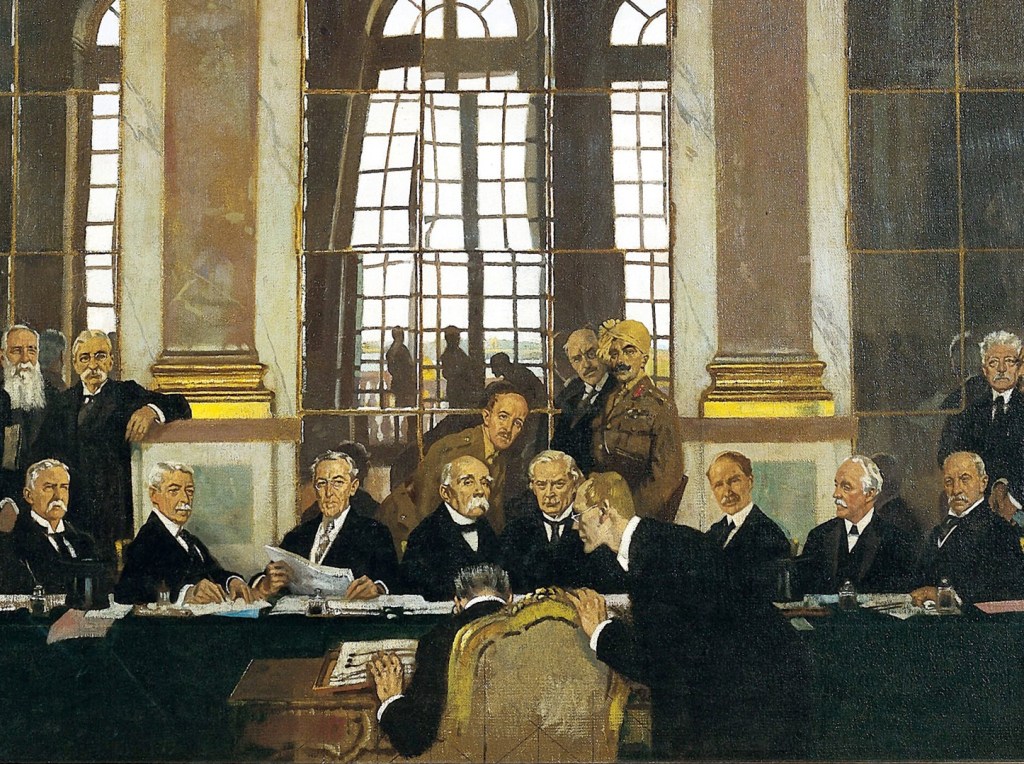
Think of the immediate post-First World War period and the Paris Peace Conference will immediately come to mind. German reparations, disarmament and the League of Nations will probably ensue. Some of you would probably have heard of minorities, notably as a ‘problem’ in the eastern part of Europe that the Conference and the following League tried to solve. Most of these minorities, a few would also point out, were made of people who identified as Germans. Yet, very few of you would add that German minorities existed also in western Europe, notably in Belgium, France and Italy, which, at the end of the Great War, annexed territories with sizable German-speaking populations.
A paper written by Emmanuel, Alessandro and Volker Prott (from Aston University Birmingham), which has just been published in The Nationalities Papers, examines precisely this topic in a comparative perspective. The paper points out that in most accounts of peacemaking after the First World War, ‘flawed’ decisions at ‘Versailles’ caused the ethnically mixed states of central and eastern Europe to descend into violent ethnic clashes, while the allegedly more homogenous western European states faced few issues with minorities.
This article challenges such simplistic view by examining the treatment of German-speaking minorities in the borderlands of Alsace-Lorraine, South Tyrol, and Eupen-Malmedy in the immediate post-war and the early interwar period. Building on an innovative comparative framework of five key variables, the article finds that, in all three cases, post-war borders generated incentives for the respective governments to suppress their new minorities, and that states used ethnic markers to target them. However, the strength of state institutions and liberal principles account for a reversal (Alsace-Lorraine), moderation (Eupen-Malmedy), or hardening (South Tyrol) of measures. Furthermore, international commitment to defend the new borders and the absence of a tradition of ethnic violence also had a significant impact.
The paper is available in First View version at https://doi.org/10.1017/nps.2024.24 and should appear in print later this year or at the beginning of 2025.
Emmanuel presented a chapter of his next monograph at the prestigious Santos Juliá history seminar in Madrid
Innovations usually come from the West. This is the stereotypical view that has been prevalent in academia and outside for a long time. Yet in one field of academic research central and eastern Europe has been a trailblazer, both as an area of empirical research and as a site of knowledge production. From the early 2000s, researchers working on the history of this region have introduced and developed the concept of national indifference, along with further iterations of this notion such as instrumental nationalism and situative ethnicity. Although contested, these works have brought about a quiet revolution in the field of nationalism studies, questioning the nationalisation of European societies at the beginning of the 20th century and, more broadly, the pervasiveness of national identity as a form of identification that would supposedly be salient in all aspects of social life and at all moments. However, few authors have tried to apply national indifference to western European contexts.
In the third chapter of his new monographs, The Myth of Homogeneity: Minority Questions in Interwar Europe, which he is completing at the Complutense University of Madrid, Emmanuel is doing precisely that with majority-minority relations in interwar Belgium, Italy and Spain. On 29 February 2024, he presented the chapter at the prestigious Santos Juliá monthly seminar held at the Fundación Giner de los Ríos in Madrid (pictured above).
The chapter rejects a dichotomic view of nationalisation and national indifference, as if one had to choose between a world where nationalism is a driving principle of political legitimacy and social organisation and one in which it is irrelevant. On the contrary, the chapter defends the idea nationalisation and national indifference coexist and feed each other. This understanding of national indifference was there all along in the works of authors such as Pieter Judson, Tara Zahra and Jeremy King, who formulated the concept, but has somehow been lost from view in later works on the subject. Then, the chapter looks at the relationship between nationalist militants and the broader population in the Basque Country, Catalonia, Flanders, Eupen-Malmedy, South Tyrol and Venezia Giulia with a focus on the Wilsonian Moment (at the beginning of the interwar period), on education policy in these minority regions in the 1920s and 1930s, and on the radicalised context of the late 1930s, especially around plebiscites and elections held in these regions during those years. The chapter shows that although minority nationalist organisations were increasingly popular in these areas they still had a hard time mobilising voters around key items of their agenda, such as demands for autonomy as well as for schools in minority language. At the same time, the chapter also suggests that, while it is true that ordinary people in minority regions took into account a number of different principles and forms of identification in their everyday life beyond national identity and beyond the injunctions of nationalist minority leaders, the radicalised climate of the late 1930s, along with the holding of different plebiscites and elections (the latter cast as plebiscites in the public debate) in a number of these regions, somehow reduced the space for indifference.
A number of commentators shared their views on the chapter and made suggestions for improvements that will be integrated in later versions of the text. As usual, the session ended with an informal gathering at a nearby restaurant in Madrid, where the participants kept exchanging comments and opinions on nationalism, national identity, indifference and contemporary history more in general.
A new publication and a new conference presentation by the MoH Team
Many people know the Spanish north-western city of Girona for one of three things: it has offered some of its breathtaking corners to the famous TV series Game of Thrones; it is home to former Catalan President Carles Puigdemont (who has been living in Belgium since the 2017 attempt of his government to convert Catalonia into an independent country); and, in the late 2000s, Ryanair turned its airport into the main gateway to the Costa Brava.
On 2-3 November 2023, the city also became the venue of an international conference on the topic of Global Wilsonism and its Impact on Europe and America. The event gathered about 15 researchers working on different aspects of the so-called Wilsonian Moment, that is a moment between the end of 1918 and the first half of 1919, when President Woodrow Wilson briefly turned into a symbol of peace, justice and self-determination around the world.
In this context, Emmanuel presented a paper written with Mona and entitled Autonomy over Independence: Self-Determination in Catalonia, Flanders, and South Tyrol in the Aftermath of the Great War. The paper argues that, while the impact of the postwar spread of self-determination on the redrawing of eastern European borders and on the claims of colonial independence movements has been extensively researched, the international historiography has paid little attention to minority nationalist movements in western Europe. The text thus focuses on three regions (Catalonia, Flanders and South Tyrol) that experienced considerable sub-state national mobilisation in the interwar period and aims to understand whether the leaders of western European minorities and stateless nations shared the same enthusiasm as their anti-colonial and eastern European counterparts for the new international order that self-determination seemed to foreshadow in the months following the end of the First World War.
The article concludes that nationalist forces in Catalonia, Flanders and South Tyrol initially mobilised self-determination and referred to Wilson as a symbol of national liberation, but this instrumentalisation of self-determination was not sustained. Large-scale mobilisation occurred only in Catalonia, and, even there, it disappeared suddenly in spring 1919. Furthermore, sub-state nationalist movements in western Europe tended to mobilise self-determination to gain regional autonomy, rather than full independence. The willingness of these movements to privilege autonomy over full independence made them more receptive to compromise. Radical forces would become stronger only in the 1930s and largely for reasons not directly connected to the post-war mobilization around self-determination.
The presentation shortly followed the publication of the paper in issue 53(4) of European History Quarterly in October 2023. The paper is available in open access at the journal’s website: https://journals.sagepub.com/doi/full/10.1177/02656914231198182
The MoH team co-organised a conference at the Complutense University of Madrid
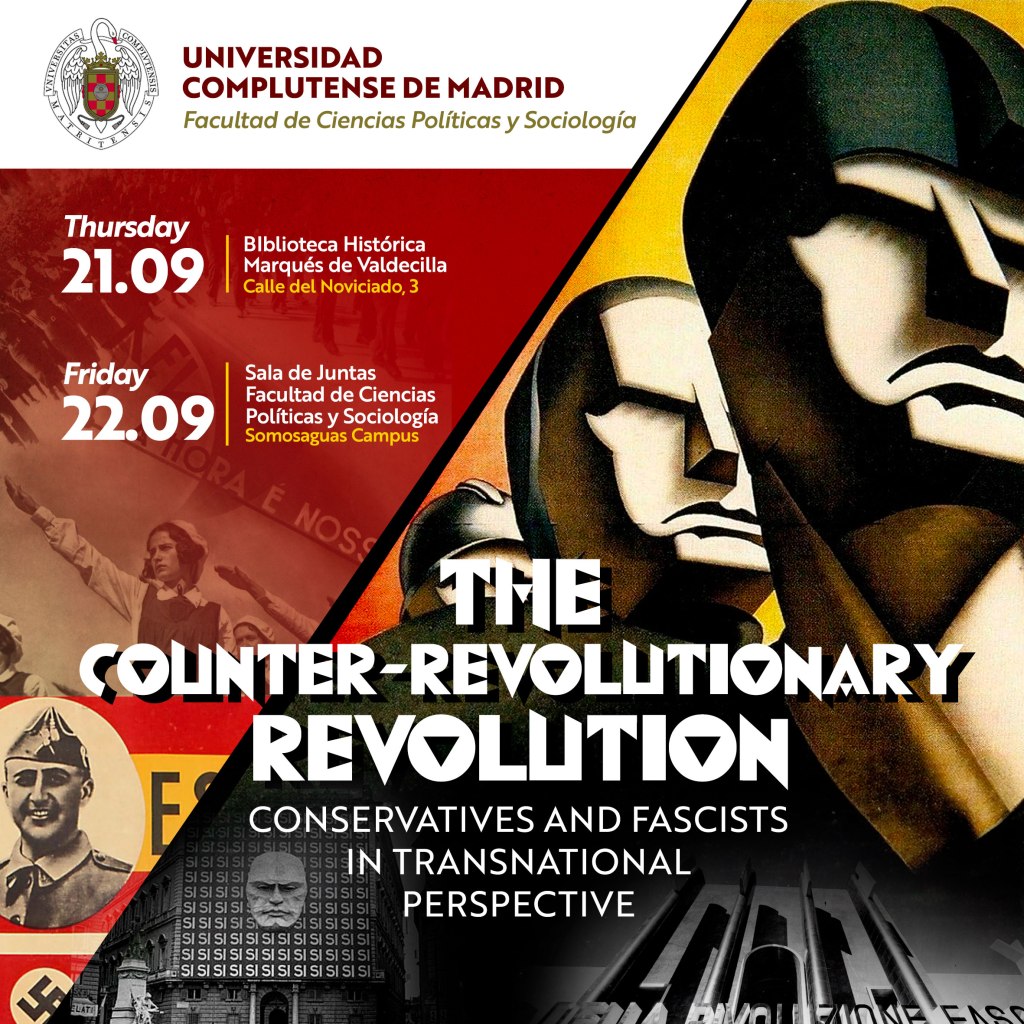
After trade flows, social policy and the environment, the transnational turn has recently impacted the study of conservatism and fascism as well. The MoH team decided to contribute to this trend organising an international conference entitled ‘The Counter-Revolutionary Revolution: Conservatives and Fascists in Transnational Perspective’, which took place on 21-22 September 2023 at the Complutense University of Madrid (co-organised with José Miguel Hernandez Barral, Alejandro Quiroga, Javier Muñoz Soro and Daniele Serapiglia).
In the last few years, the transnational approach has opened up new perspectives for research on the circulation of elements of the ideologies and practices of counter-revolutionary and fascist movements and regimes in inter-war Europe. The transnational approach has also emphasised the initially European and, later, global character of fascism and the counter-revolutionary Right as a response to the crisis of liberalism after the First World War. The conference thus aimed to contribute to the study of fascism and the counter-revolutionary Right as transnational phenomena by focusing on the appeal, external projection and reception of fascist and authoritarian regimes, ideologies and practices in Europe and beyond. Contributions ranged from the March on Rome as a transnational event, the reception of fascism in counter-revolutionary dictatorships in Spain, Portugal and Austria, the adaptation of fascist corporatism in southern European authoritarian regimes and the transnational participation of Italian ‘volunteers’ in the Spanish Civil War.
Emmanuel presented a paper entitled Betting on the wrong horse? Reimond Tollenaere, Staf De Clercq and Nazi transnational support to Flemish radical nationalists, which examined transnational influences, collaborations and dilemmas between radical nationalists in the Flemish-Dutch-German transnational space. There, he argued that the Flemish question during the interwar period embodied the contradictions of an age in which the nationality question that had been ubiquitous in the long 19th century ‘morphed into the minority question’ without disappearing altogether. The quickly nationalising population of Flanders was a demographic majority that, in many ways, behaved as a sociological minority, thus blurring the supposedly tidy lines of division between majorities and minorities, as well as between nationality questions and minority questions.
He also showed that the transnational activities of Flemish extreme-right nationalists and German authorities challenge traditional conception of the relationship between minorities and kin-states. On the one hand, several German actors from the late 19th century onwards identified the Flemings as part of the broader German Volk (as Niederdeutsche). On the other, despite pervasive pan-Netherlandic claims within Flemish nationalist circles, Flemish radicals looked much more towards Berlin than The Hague for support in their struggle for self-determination. Above all, under the Nazi occupation, Flemish extreme-right nationalists who worked to obtain external support, discovered that they were being treated as a German minority that had to be reabsorbed within the larger body of the German Volk. They thus confronted an irresolvable dilemma between their Flemish allegiance and their fascist ideological commitments. Having bet on the wrong horse, they sacrificed their self-determination goals to realpolitik and their allegiance to extreme-right ideals. He concluded that the Flemish story shows the relative and situational nature of the categories of majority, minority and nationality, which are as much self- as hetero-attributed.
Emmanuel presented on the history of the term ‘minority’ at the workshop National Self-Determination in the 20th Centuryheld at the University of Tartu
In the the 1920s and early 1930s, Estonia was a leader in minority protection in Europe. In 1925, the young republic adopted a law on non-territorial autonomy that, until the 1934 coup d’état, granted minority groups with at least 3,000 members the possibility to create institutions that could manage education and cultural affairs. Given this tradition, it is an ideal place to study issues concerning diversity, recognition, and individual and collective rights.
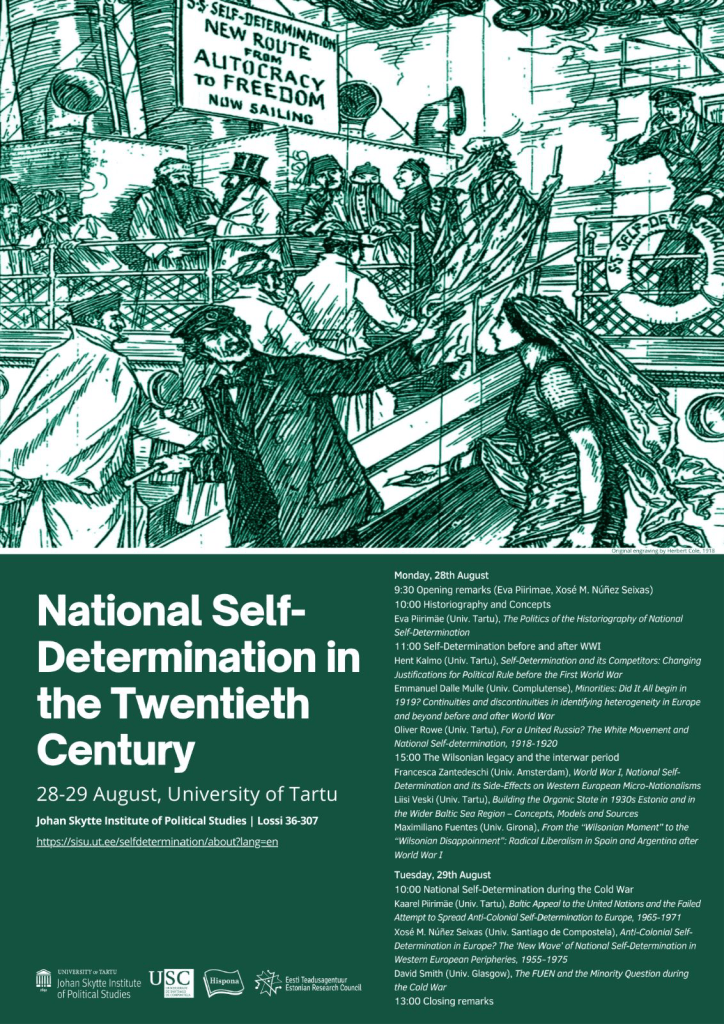
On August 28-29, researchers from all over Europe gathered at the Johan Skytte Institute of Political Affairs of the University of Tartu to discuss the origins, evolution and complexities of the principle of self-determination. Emmanuel presented a paper entitled “Did it all begin in 1919? A history of the term minority as a category of practice from the 18th century to the interwar period”.
Until recently, Emmanuel argues, the history of minorities and minority rights has followed a fairly standard account. Begun in Europe with the religious wars of the 16th and 17th century, minority protection developed further in the 19th around the Eastern Question and peaked in the immediate aftermath of the First World War, with the minority treaties negotiated at Versailles (there is a second part of the story after 1939, but this does not concern us here). This account has now come under attack. Several authors affirm that until 1919 the term minority, meant as a permanent not a transient minority, was marginal, if not absent, in domestic and international discourses on diversity. Emmanuel shows that revisionist authors have too quickly dismissed the relevance of much of the 19th century for the history of minorities and minority rights. Above all, they have missed an opportunity to explore in depth alternative trajectories to the traditional central and eastern European story. Emmanuel’s paper is a first attempt to draw such an alternative itinerary. Examining a broad range of sources, from parliamentary debates on Ireland and Canada, to demographic and statistical analyses on the populations of the German and Habsburg empires, the paper tracks how philosophers, politicians, geographers and statisticians anticipated a world in which nationality conflicts would play out in the emerging grammar of minorities and majorities. It further suggests that two forces in particular drove the process: political representation, with its imperative of majority rule and the cognate question of minority rights; and census practices, which increased the legibility of the social, constructed difference and fuelled anxiety about numerical superiority and inferiority. The paper received useful feedback that will certainly help improving the final version.
The workshop covered a broad range of topics, from pre-First World War principles of political legitimacy alternative to self-determination to attempts to mobilise anti-colonial self-determination in the soviet space in the 1960s, through the rejection of self-determination by the White Movement during the Russian Civil War and the impact of the Wilsonian Moment in Argentina. In line with the core arguments of the Myth of Homogeneity project, the different contributions confirmed that self-determination, minorities, multi-ethnicity and plurinationalism are realities that extend, and have extended in the past, well beyond central and eastern Europe.
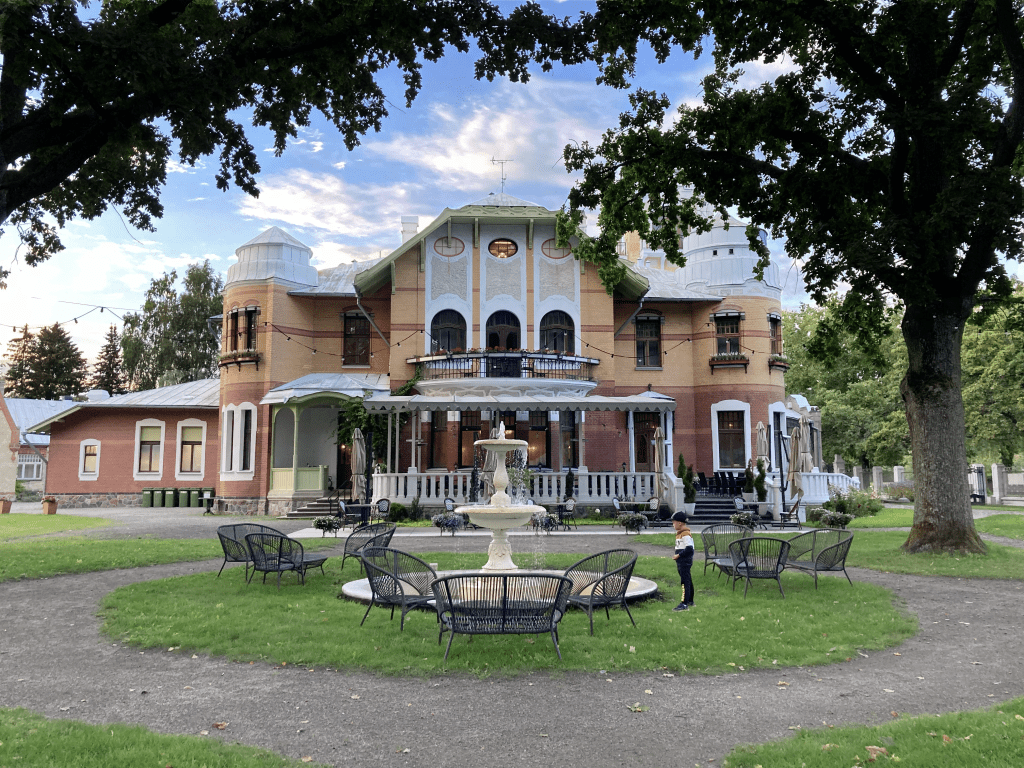
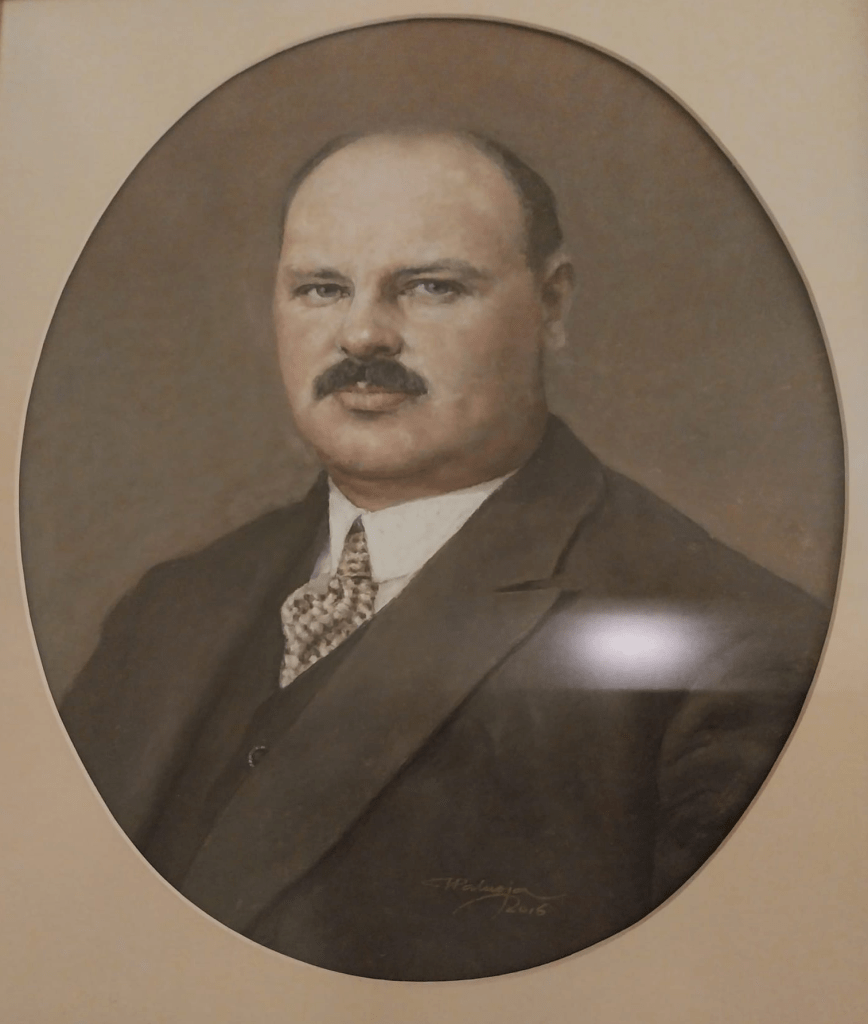
The conference was also the occasion for a visit at the Villa Ammende, in Parnu (pictured above). The house is a fine example of Art Nouveau architecture and, until 1927, the summer residence of the Ammende family. Ewald Ammende, founder of the interwar Congress of European Nationalities, spent many summers there, probably discussing about minority rights in the garden terrace. He still watches discretely the guests visiting the house from a hidden corner in one of the many dining rooms.
The volume is available in hardback and in open access online
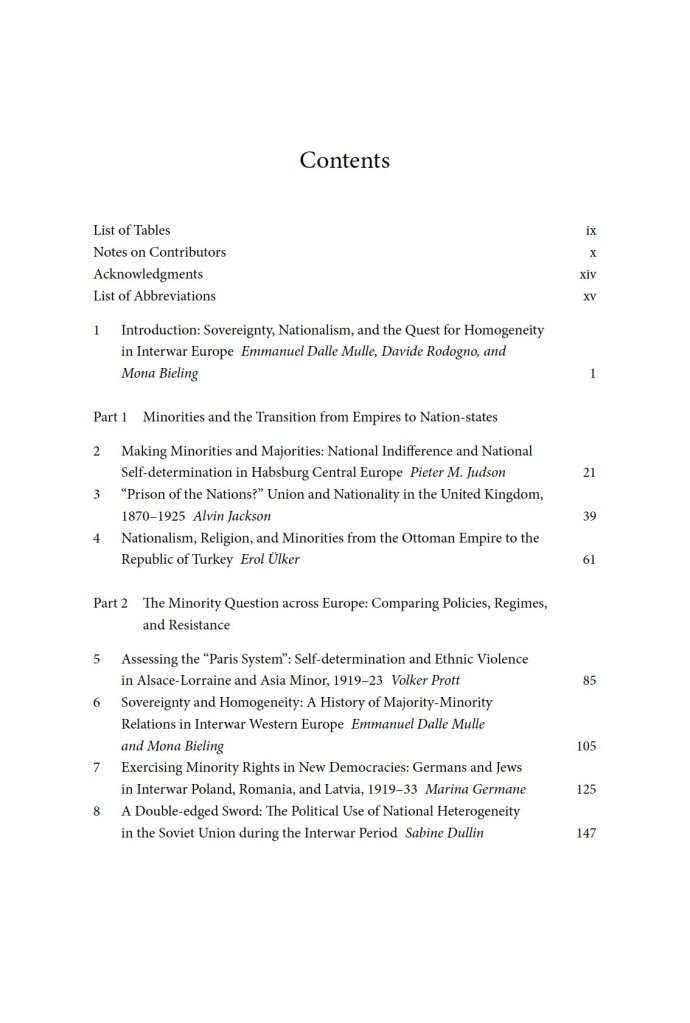
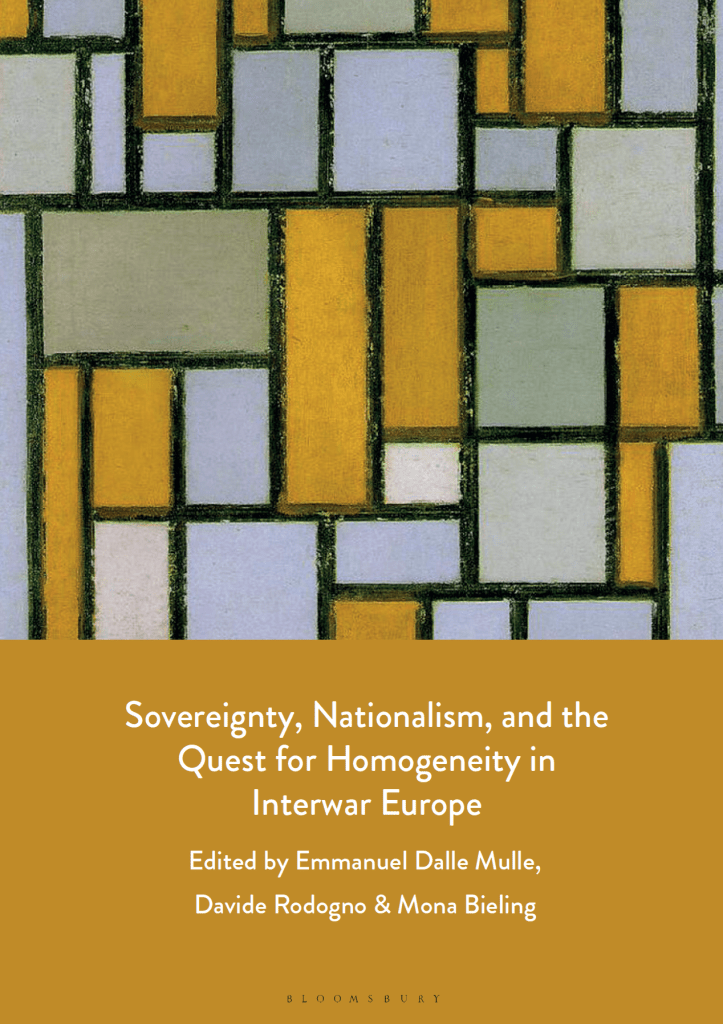
Were European empires ‘prisons of nations’? Did minority questions exist exclusively in eastern Europe during the interwar years? How did ordinary people in minority regions navigate conflicting forms of national identification? How did minority representatives mobilise support for minority rights transnationally? In fourteen chapters, Sovereignty, Nationalism and the Quest for Homogeneity in Interwar Europe answers these and other questions.
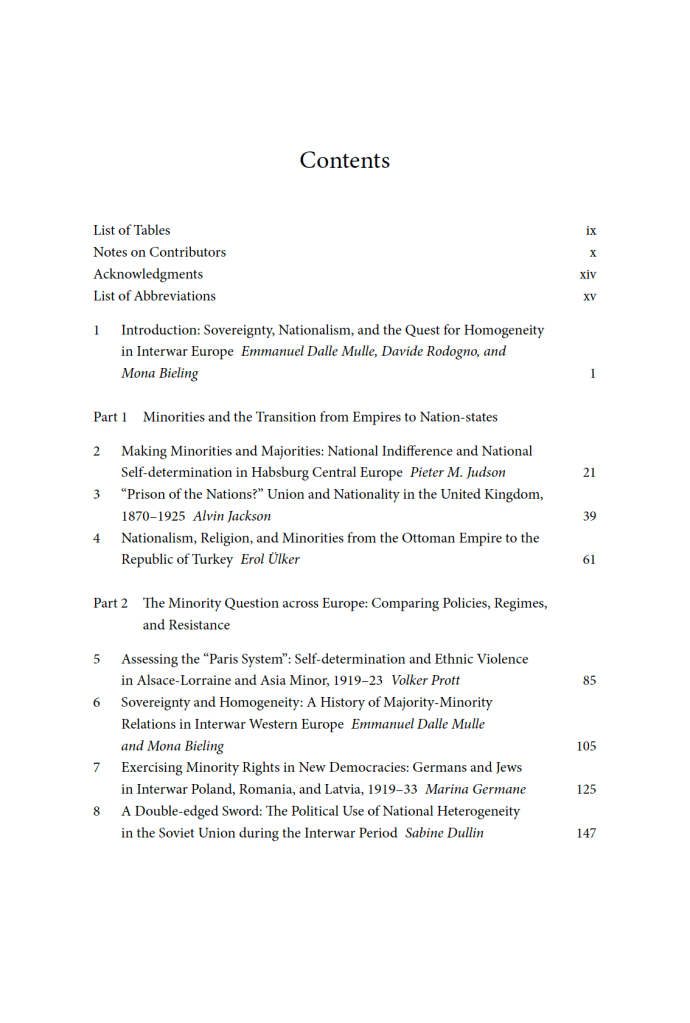
Proposing an unusual juxtaposition, the first part of the volume examines three empires (Austria-Hungary, the United Kingdom, and the Ottoman Empire) that, although on different scales, experienced crisis and partition at the end of the Great War. Pieter Judson shows how imperial forms of governance in the Austrian part of the Habsburg Empire gave more space to people to speak their preferred language and to embrace a wider array of self-understandings than the nation-states that followed. The United Kingdom is often examined as a nation-state rather than a union state. By contrast, Alvin Jackson considers it as a composite monarchy and dissects the centrifugal and centripetal forces that led to Britain’s partial break-up, but also to its survival after the First World War. Erol Ülker closes this first part of the volume by examining majority-minority relations in the Ottoman Empire from 1908 to 1923. He concludes that Turkish policies toward non-Turkish minorities were more complex and varied than recognised by traditional accounts.
The second part of the book studies comparatively minority policies in interwar Europe. It demonstrates that minority questions were debated throughout the continent and that the allegedly ‘civilised’ West did not treat minorities more liberally than the supposedly ‘backward’ East. Volker Prott compares violence in Alsace-Lorraine and Asia Minor. He highlights how a temptation to coercively homogenise populations was inherent in the post-war international order, but also identifies factors that restrained large-scale violence. Then, Mona and Emmanuel consider Belgium, Italy, and Spain as nationalising states. They show how these countries adopted homogenising policies with varying degrees of coercion and thus debunk some lingering myths of populations’ homogeneity in interwar western Europe. Marina Germane examines minority policies and mobilisation in Latvia, Poland, and Romania. Following German and Jewish representatives, she investigates the limits of domestic mobilisation and how disillusion pushed activists to move their activities from domestic arenas to the transnational sphere. In the last chapter of this part of the book, Sabine Dullin dissects the USSR’s double-edged nationality policy. She argues that the Soviets promoted national cultures throughout the Union, but also saw minorities as dangerous fifth columns and targets of collective punishment and forced displacement.
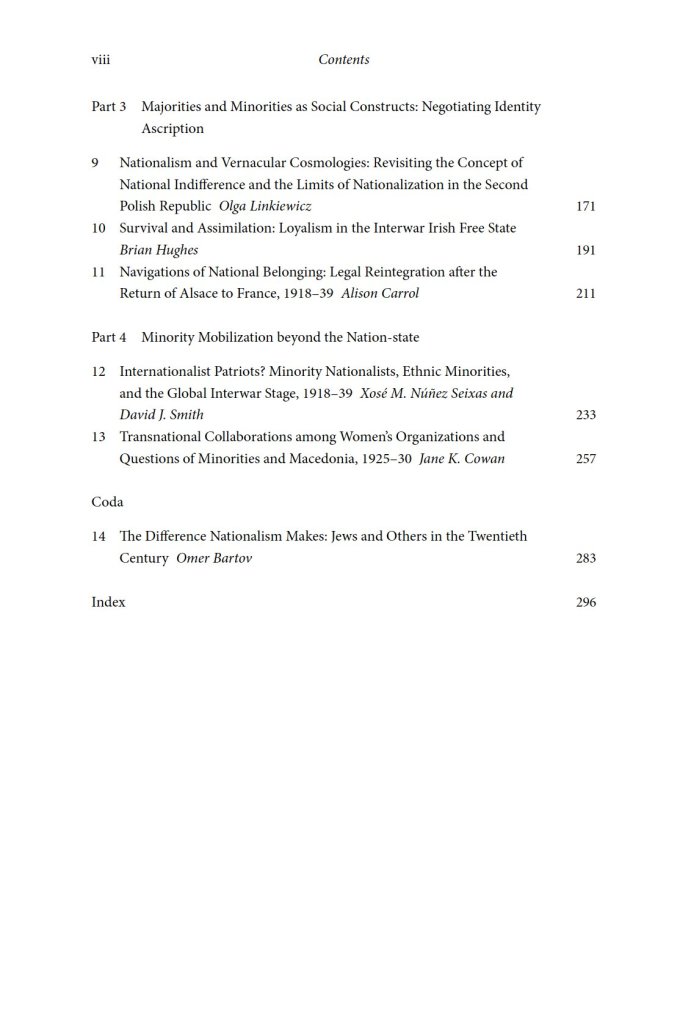
Part three of the book examines from the bottom-up processes of identification in different European contexts. It builds upon, but also challenges the national indifference framework. The chapter in this part emphasise how the space for indifference shrank in an increasingly nationalising interwar Europe. Olga Linkiewicz zooms in on rural conflicts in eastern Poland during the 1924 language plebiscite. She shows how peasants behaved in accordance with the principles of a vernacular cosmology that defies easy categorisation as either national indifference or full Polish nationalisation. Brian Hughes explores strategies of everyday resistance among loyalists during and after the Irish Revolution. He dissects the meaning of loyalism, as well as dynamics of integration and assimilation within an increasingly Catholic and Gaelic Irish Republic. Alison Carrol closes this part of the book revisiting Alsace’s return to France. She explores how different groups within Alsatian society pushed the state to adopt flexible policies of integration that created unexpected spaces for alternative understandings of identity.
Part four of the volume follows minority representatives across borders and gauges their efforts to lobby foreign governments, international organisations and the broader international community in favour of the defence of minority rights. Xosé Manoel Nuñez Seixas and David Smith map transnational networks of minority rights advocacy across Europe. They identify the emergence of a transnational nationality theory that, despite its failure, constituted an alternative to the model of the homogenous nation-state in interwar Europe. Jane Cowan explores the triangular, asymmetric and non-reciprocal relation between the Women’s International League for Peace and Freedom (WILPF), Bulgarian and Macedonian female activists and the male-dominated League of Nations. She shows how, in their interactions, these actors navigated hierarchies of gender, class, race, and civilisation.
Omer Bartov closes the book with a broad-ranging coda on the ‘conundrum of national indifference’. National indifference, he argues, rightly reminds us to be sceptical of the arguments of nationalist zealots. The history of the 20th century, as well as the recent Russian aggression of Ukraine, equally reminds us that we downplay the power of nationalism at our own peril. As Bartov and many other contributors suggest, although nationhood was not the only form of identification in interwar Europe, or the most important, the space for indifference shrank considerably between the two World Wars, in Poland and Romania, but also in Italy, France and Ireland.
After about three years of work and a global pandemic, Sovereignty, Nationalism and the Quest for Homogeneity in Interwar Europe eventually goes to press. The edited volume will be released in print and electronic formats by Bloomsbury Academic on 18 May 2023 (click here for more info). The electronic version will be available in open access thanks to a grant from the Swiss National Science Foundation.
Through 14 chapters, the volume offers an in-depth, comparative and transnational study of minority questions in Europe focusing on, although not limiting itself to, the interwar period. The volume makes two major contributions to current historiographical debates on this topic. First, until now interwar European minority questions have been predominantly discussed in the context of eastern Europe. This volume challenges that geographical emphasis by examining both eastern and western European experiences. It thus lays the foundation for a new comparative international history of the relations between national majorities and minorities in Europe after the Great War. Second, building on the observation that nationalist conflicts are based on dynamic interactions between multiple actors, this book brings together different perspectives and methodological approaches (political, social, comparative and transnational) to provide a comprehensive account of minority questions between the two World Wars.
The volume is the result of a truly international collaboration featuring contributions from leading academics and emerging scholars based in Austria, Ireland, Poland, Spain, Switzerland, Turkey, the UK and the USA among others(see the table of contents below). We thank them all for their wonderful chapters.
The volume originated in the international workshop Sovereignty, Nationalism and Homogeneity in Europe between the Two World Wars that the Myth of Homogeneity team organised at the Geneva Graduate Institute in February 2020, right before the onset of the first wave of lockdowns outside China due to the global pandemic of covid-19. Some of the initial participants left, while others joined at a later stage. Among the many people that have taken part in this journey with us, we would like to remember Eric Weitz. Eric was supposed to write the conclusion of our volume with a chapter based on the memorable keynote that he gave at the end of our Geneva workshop in February 2020. Unfortunately, Eric left us in July 2021. The volume is dedicated to him.
The research behind this volume has been funded by the Swiss National Science Foundation (grant n. 169568) and the European Union’s Horizon 2020 research and innovation program under the Marie Skłodowska-Curie grant agreement no. 847635. The Pierre du Bois Foundation contributed to covering editing expenses. We thank them all for their generous support.
On the anniversary of Mussolini’s seizure of power, Alessandro and Emmanuel discuss a century of inter-ethnic relations in the Italian borderlands
Vito Timmel, “L’incendio del Balkan” (1941, Rivoltella Museum, Trieste)
At the end of October 1922, King Vittorio Emanuele III offered Benito Mussolini the task to form a new executive. In the previous days, the fascists camicie nere had seized control of several towns in northern and central Italy and threatened the government led by the liberal Luigi Facta to move the assault to Rome if this did not cede power to the National Fascist Party. The details of these events are well-known and have been studied extensively. What is less known however is that at the beginning of October 1922, the fascists had used the same tactics to take over the northern Italian city of Bolzano in what some fascists later defined as a kind of general rehearsal for the planned occupation of the capital.
At first sight Bolzano was an outlier in the series of urban attacks carried out by the fascists in the early 1920s. Indeed the black shirts usually targeted municipalities led by Socialist administrations. By contrast, a coalition of Liberal and Catholics ruled Bolzano. Yet Bolzano was not a random choice. Most of the city’s inhabitants were German speakers and the city was the main urban centre of South Tyrol, a territory that Italy annexed at the end of the First World War along with the mostly Italian-speaking Trentino. South Tyrol was also overwhelmingly German-speaking and several local parties and organisations had repeatedly opposed annexation asking that the local population be given the opportunity to have a say about its future. Post-war Italian liberal governments had rejected these calls, but had guaranteed the preservation of Austro-Hungarian legislation in the area, promised to respect minority rights and begun negotiations for regional autonomy. To the Fascist Party this sounded like a betrayal of the sacrifice of the Italian soldiers who had died in order to conquer an area that – the fascists believed – was ‘inherently’ Italian and had been Germanised by the Habsburg Empire. The March on Bolzano was an attempt to force the Italianisation of the city, as well as a test of the liberal elite’s commitment to respecting minority rights.
Taking advantage of the 100th anniversary of both the March on Rome and Bolzano, in a recent paper published by the Pierre du Bois Foundation for Current History, Alessandro and Emmanuel discuss fascist policies in the new provinces annexed at the end of the Great War – South Tyrol as well as Venezia Giulia – and the impact of the fascist attempts to Italianise the populations living in these borderlands on the rest of the 20th century, most notably on relations with the neighbouring countries of Austria and Yugoslavia (today Slovenia), as well as with Germany. The paper also examines the contradictions of the fascist approach to minorities. It argues that fascist thinking about the allogeni – the fascist term to identify Italians of non-Italian origins – and policy in South Tyrol and Venezia Giulia were informed by a form of ‘consistent ambivalence’ whereby fascists authorities were torn between the naif belief that the assimilation of the allogeni was inevitable and a deep-seated distrust of them, since they were deemed to be inherently disloyal citizens.
Yet 2022 marks another important anniversary: the 50 years since the signing of the second statute of autonomy of Trentino-South Tyrol which ushered in a period of stabilisation in majority-minority relations in the area. This statute of autonomy turned South Tyrol from a hotspot of nationalist conflict to an oft-cited success story of minority recognition and cross-border cooperation in Europe. To account for that, the paper goes beyond the interwar period and details the considerable, although hard-won, advances in minority rights and conflict management achieved in the second half of the 20th century.








 The Myth of Homogeneity